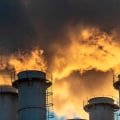
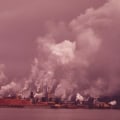
The Clean Air Act (CAA) stands as a cornerstone of environmental legislation in the United States, designed to safeguard air quality and protect public health. Enacted in 1963 and significantly amended in subsequent decades, this comprehensive law empowers the federal government to regulate emissions of hazardous air pollutants and set national air quality standards. The importance of clean air cannot be overstated; it is essential for the well-being of all living organisms and plays a critical role in maintaining ecological balance. Poor air quality has been linked to a myriad of health issues, including respiratory diseases, cardiovascular problems, and even premature death.At its core, the Clean Air Act aims to reduce air pollution from both stationary sources, such as factories and power plants, and mobile sources like vehicles.
By establishing stringent regulations and guidelines, the CAA not only addresses existing pollution but also sets forth a framework for future improvements in air quality. This proactive approach is vital in combating the adverse effects of industrialization and urbanization, which have historically contributed to deteriorating air conditions. The act also emphasizes the importance of state-level involvement, allowing local governments to tailor their strategies to meet specific regional needs while adhering to federal standards.As we delve deeper into the implications of violations against the Clean Air Act, it becomes evident that these infractions pose significant risks not only to environmental integrity but also to public health. Companies that flout these regulations jeopardize the very essence of clean air, leading to increased pollution levels that can have devastating effects on communities.
Understanding the significance of the Clean Air Act is crucial for grasping the broader context of environmental protection efforts and the ongoing fight against those who prioritize profit over public health.
Understanding the House of Clean Air
The concept of the House of Clean Air serves as a metaphorical framework that encompasses various initiatives, organizations, and regulatory bodies dedicated to preserving air quality and enforcing environmental protections. This collective effort is crucial in combating air pollution and ensuring that communities can breathe clean air.At the heart of the House of Clean Air are several key initiatives aimed at reducing emissions and promoting sustainable practices. These initiatives often involve collaboration between government agencies, non-profit organizations, and private sector stakeholders. Some notable programs include:- The Clean Air Act (CAA) : Enacted in 1970, this landmark legislation provides the foundation for regulating air emissions from stationary and mobile sources.
The CAA empowers the Environmental Protection Agency (EPA) to set National Ambient Air Quality Standards (NAAQS) to protect public health and the environment.
- State Implementation Plans (SIPs) : States are required to develop SIPs that outline how they will achieve and maintain NAAQS. These plans are essential for localizing air quality management and ensuring compliance with federal standards.
- Community Air Quality Monitoring Programs : Many cities have established monitoring networks to track air pollution levels. These programs often involve citizen engagement, allowing residents to participate in data collection and analysis, fostering a sense of ownership over local air quality issues.
Engaging citizens in discussions about air quality can lead to more informed decision-making and greater accountability among industries. Programs that promote awareness about the sources of air pollution, such as vehicle emissions and industrial discharges, empower individuals to take action in their own lives.Ultimately, the fight for clean air is a collective responsibility that requires ongoing commitment from all sectors of society. By understanding the various components of the House of Clean Air, we can better appreciate the efforts being made to protect our environment and public health.
Common Violations of the Clean Air Act
The Clean Air Act (CAA) serves as a vital framework for regulating air emissions from stationary and mobile sources. Despite its importance, violations of this act are alarmingly common across various industries.Understanding these violations is crucial for both enforcing compliance and fostering a culture of environmental responsibility.One prevalent type of violation involves failure to obtain necessary permits. Many companies neglect to secure the required permits before commencing operations that emit pollutants. For instance, a manufacturing plant may begin production without applying for a Title V operating permit, which is essential for large sources of air pollution. This oversight not only breaches the CAA but also undermines the regulatory process designed to protect air quality.Another common violation is the exceedance of emission limits.
Facilities are often subject to specific limits on the amount of pollutants they can release into the atmosphere. However, some companies, in pursuit of higher production rates or cost-cutting measures, may exceed these limits. A notable example includes a coal-fired power plant that consistently emitted sulfur dioxide levels above its permitted threshold, contributing significantly to regional air quality issues.
Improper record-keeping
is also a frequent issue. The CAA mandates that companies maintain accurate records of their emissions and compliance efforts.
However, many organizations fail to document their emissions accurately or do not keep records at all. This lack of transparency can hinder regulatory enforcement and obscure the true environmental impact of their operations.Additionally, non-compliance with monitoring requirements poses significant challenges. The CAA requires facilities to monitor their emissions regularly and report these findings to regulatory agencies. Some companies may neglect this responsibility, either by failing to conduct necessary tests or by submitting falsified data.
Such actions not only violate the law but also jeopardize public health by masking the true extent of air pollution.Lastly, violations related to hazardous air pollutants are particularly concerning. Industries that handle substances classified as hazardous air pollutants (HAPs) must adhere to stringent regulations designed to minimize exposure risks. Instances where companies fail to implement adequate controls or safety measures can lead to severe health consequences for nearby communities.In summary, violations of the Clean Air Act manifest in various forms, from permitting oversights to inadequate monitoring practices. Addressing these issues requires vigilance from regulatory bodies and a commitment from industries to prioritize compliance and environmental stewardship.
Case Studies: Notable Violations and Their Consequences
The enforcement of the Clean Air Act has revealed a troubling pattern of violations among major corporations, highlighting the ongoing struggle to maintain air quality standards.Two notable case studies exemplify the serious consequences of such infractions: Tesla's emissions oversight and the infamous Volkswagen emissions scandal.
Tesla's Emissions Oversight
In 2021, Tesla faced scrutiny for failing to comply with the Clean Air Act at its Fremont, California assembly plant. Despite its reputation as a leader in sustainable technology, the company was found to have neglected essential emissions monitoring protocols. Specifically, Tesla did not adequately measure emissions from its coating operations and failed to maintain proper records of hazardous air pollutants.This oversight not only raised questions about Tesla's commitment to environmental responsibility but also led to significant repercussions. The Environmental Protection Agency (EPA) initiated an investigation, which could result in hefty fines and stricter regulations for the company moving forward.The implications of this case extend beyond Tesla; they serve as a reminder that even companies championing clean energy must adhere to established environmental laws.
The Volkswagen Emissions Scandal
Perhaps one of the most notorious violations of the Clean Air Act is the Volkswagen emissions scandal, which came to light in 2015. Volkswagen was found to have installed defeat devices in diesel vehicles that manipulated emissions tests, allowing cars to pass regulatory scrutiny while actually emitting pollutants far above legal limits.The fallout from this scandal was monumental. Volkswagen faced billions in fines and settlements, including a $2.8 billion criminal fine and a $14.7 billion settlement aimed at mitigating environmental damage and compensating affected consumers. This case not only tarnished Volkswagen's reputation but also prompted widespread calls for stricter enforcement of environmental regulations across the automotive industry.Both Tesla and Volkswagen illustrate the critical need for vigilance in enforcing the Clean Air Act. These cases underscore that violations can lead to severe financial penalties and damage to corporate reputations, ultimately affecting public trust in companies that claim to prioritize sustainability.As we continue to navigate the complexities of environmental policy, it is essential for both regulators and corporations to remain committed to upholding air quality standards for the health of our communities and planet.
The Role of Regulatory Agencies in Enforcing the Clean Air Act
The enforcement of the Clean Air Act (CAA) is primarily the responsibility of the Environmental Protection Agency (EPA) , which plays a pivotal role in ensuring compliance with air quality standards. The EPA's mission is to protect human health and the environment, and it does so through a variety of methods aimed at monitoring and enforcing air quality regulations.One of the key functions of the EPA is to establish National Ambient Air Quality Standards (NAAQS) for pollutants considered harmful to public health and the environment. These standards are designed to protect sensitive populations, including children, the elderly, and individuals with pre-existing health conditions. The EPA regularly reviews these standards to ensure they reflect the latest scientific knowledge and technological advancements.To monitor compliance with the CAA, the EPA employs a range of strategies:- Air Quality Monitoring: The agency operates a network of air quality monitoring stations across the country.
These stations collect data on various pollutants, allowing the EPA to assess air quality in different regions and identify areas that exceed acceptable limits.
- Permitting Programs: The EPA issues permits to industrial facilities that outline specific emissions limits and operational requirements. These permits are crucial for regulating emissions from major sources such as power plants and manufacturing facilities.
- Inspections and Investigations: The EPA conducts inspections of facilities to ensure compliance with air quality regulations. These inspections can be routine or triggered by reports of potential violations. During these visits, inspectors review records, assess emissions control equipment, and collect samples for analysis.
- Administrative Actions: The agency can issue fines or penalties for non-compliance without going through the court system.
This approach is often quicker and allows for immediate corrective actions.
- Civil Enforcement: In more serious cases, the EPA may pursue civil lawsuits against violators. This can result in significant financial penalties and mandates for corrective measures.
- Criminal Prosecution: In instances of willful negligence or intentional violations, criminal charges may be brought against individuals or companies, leading to severe penalties including imprisonment.
Public Awareness and Advocacy: The Fight for Clean Air
Public awareness and advocacy play a pivotal role in the ongoing fight against violations of the Clean Air Act.As communities become more informed about the implications of air pollution, they are increasingly mobilizing to demand accountability from corporations and government entities. This grassroots movement is essential for fostering a culture of environmental stewardship and ensuring that clean air remains a priority.One of the most effective ways to raise awareness is through community education programs. These initiatives often involve workshops, seminars, and informational campaigns that educate residents about the sources and effects of air pollution. For instance, local organizations may host events that explain how industrial emissions impact public health, particularly in vulnerable populations such as children and the elderly.
By equipping citizens with knowledge, these programs empower them to advocate for cleaner air.In addition to education, advocacy groups have been instrumental in organizing community efforts aimed at improving air quality. These groups often collaborate with local governments to monitor air pollution levels and report violations of the Clean Air Act. For example, citizen-led monitoring initiatives can provide valuable data that highlights areas most affected by pollution, thereby strengthening the case for regulatory action.Successful campaigns have emerged from these community efforts. One notable example is the “Breathe Easy” initiative in Los Angeles, which mobilized residents to document air quality issues in their neighborhoods.
Through social media and public forums, participants shared their experiences and concerns, leading to increased pressure on local authorities to enforce existing regulations more rigorously.Moreover, environmental activism has gained momentum through partnerships with larger organizations such as the Sierra Club and Greenpeace. These alliances amplify local voices and provide resources for legal action against companies that violate the Clean Air Act. By leveraging national platforms, local activists can draw attention to specific cases of non-compliance, ensuring that they do not go unnoticed.Ultimately, the fight for clean air is a collective effort that requires sustained public engagement. As communities continue to advocate for their right to breathe clean air, they not only hold violators accountable but also inspire others to join the cause.
The synergy between public awareness campaigns and grassroots activism is crucial in creating a healthier environment for future generations.
Future Challenges in Upholding the Clean Air Act
As we look to the future, the enforcement of the Clean Air Act faces a myriad of challenges that could significantly impact air quality and public health. One of the most pressing issues is the impact of climate change on air quality. Rising temperatures and changing weather patterns can exacerbate air pollution, leading to increased levels of ground-level ozone and particulate matter. For instance, warmer temperatures can enhance the formation of ozone, a harmful pollutant that can trigger respiratory problems and other health issues.This creates a vicious cycle where climate change not only affects air quality but also complicates efforts to regulate it under existing frameworks.Moreover, as extreme weather events become more frequent due to climate change, they can disrupt monitoring and enforcement activities related to the Clean Air Act. Natural disasters such as hurricanes, wildfires, and floods can damage air quality monitoring stations and hinder regulatory agencies' ability to assess compliance effectively. This raises concerns about the adequacy of current infrastructure to withstand such events and maintain consistent oversight.Another significant challenge lies in potential legislative changes. The political landscape surrounding environmental regulations is often volatile, with shifts in administration leading to changes in priorities and enforcement practices.
For example, previous administrations have rolled back regulations aimed at reducing emissions from various industries, citing economic concerns over environmental protections. Such legislative changes can undermine the progress made under the Clean Air Act and create uncertainty for businesses trying to comply with air quality standards.Furthermore, there is a growing trend towards deregulation that could pose risks to air quality. As lawmakers consider new policies aimed at stimulating economic growth, there is a danger that environmental protections may be sacrificed in favor of short-term economic gains. This could lead to increased emissions from industries that are already significant contributors to air pollution.In addition to these challenges, public awareness and advocacy play crucial roles in shaping the future of air quality regulations.
As communities become more informed about the health impacts of air pollution, there is potential for increased pressure on lawmakers to uphold and strengthen the Clean Air Act. Grassroots movements advocating for cleaner air can influence policy decisions and hold companies accountable for their emissions.In conclusion, while the Clean Air Act has been instrumental in improving air quality over the past decades, its future effectiveness will depend on our ability to navigate these emerging challenges. Addressing climate change impacts, anticipating legislative shifts, and fostering public engagement will be essential in ensuring that we continue to protect our air quality for generations to come.
FAQs About the Clean Air Act and Its Violations
The Clean Air Act (CAA) is a vital piece of legislation aimed at regulating air emissions from stationary and mobile sources. However, many people have questions about its implications, enforcement, and the consequences of violations.Below are some frequently asked questions that can help clarify these important issues.
What is the Clean Air Act?
The Clean Air Act is a comprehensive federal law that regulates air emissions from both industrial and vehicular sources. Enacted in 1963 and significantly amended in 1970, 1977, and 1990, the CAA empowers the Environmental Protection Agency (EPA) to set National Ambient Air Quality Standards (NAAQS) to protect public health and the environment.What constitutes a violation of the Clean Air Act?
A violation of the Clean Air Act can occur in several ways, including:- Failure to comply with emission standards: Companies must adhere to specific limits on pollutants. Exceeding these limits is a direct violation.
- Inadequate reporting: Facilities are required to monitor and report their emissions accurately. Failing to do so can lead to penalties.
- Non-compliance with permits: Many facilities operate under permits that outline specific operational guidelines.
Ignoring these guidelines constitutes a violation.
What are the consequences of violating the Clean Air Act?
Violations of the Clean Air Act can result in severe penalties, including:- Fines: Companies may face substantial financial penalties for non-compliance, which can range from thousands to millions of dollars depending on the severity of the violation.
- Legal action: The EPA has the authority to take legal action against violators, which can lead to court-ordered compliance measures.
- Reputational damage: Companies found in violation may suffer significant harm to their public image, affecting customer trust and business operations.
How does the EPA enforce the Clean Air Act?
The EPA employs various methods to enforce compliance with the Clean Air Act, including:- Inspections: The agency conducts regular inspections of facilities to ensure adherence to air quality standards.
- Monitoring programs: Continuous monitoring systems are often required for major sources of pollution to track emissions in real-time.
- Civil and criminal enforcement actions: In cases of egregious violations, the EPA may pursue civil or criminal charges against responsible parties.
Conclusion: The Ongoing Fight for Clean Air Compliance
As we conclude our exploration of the ongoing fight against violations of the Clean Air Act, it is essential to reflect on the critical role this legislation plays in safeguarding our environment and public health. The Clean Air Act serves as a vital framework for regulating air quality, ensuring that industries adhere to standards designed to minimize harmful emissions. However, as highlighted throughout this article, compliance remains a significant challenge.Numerous high-profile cases, such as those involving Tesla, Volkswagen, and Oxy USA, illustrate the persistent issue of non-compliance.These violations not only undermine the intent of the Clean Air Act but also jeopardize the health of communities and ecosystems. The repercussions of such actions can be severe, leading to increased respiratory illnesses, environmental degradation, and a general decline in quality of life.Moreover, the fight for clean air is not solely the responsibility of regulatory agencies. It requires a collective effort from various stakeholders, including:
- Government Agencies: Federal and state agencies must enforce regulations rigorously and hold violators accountable.
- Corporations: Companies must prioritize compliance and adopt sustainable practices that align with environmental standards.
- Civic Organizations: Advocacy groups play a crucial role in raising awareness and pushing for stricter enforcement of air quality regulations.
- The Public: Citizens can contribute by staying informed, participating in local environmental initiatives, and advocating for cleaner air policies.
It demands vigilance, collaboration, and a commitment to prioritizing public health over profit. As we move forward, it is imperative that we remain steadfast in our efforts to uphold the principles of the Clean Air Act and ensure that future generations inherit a healthier planet.